

USA, 2026
Opening April 22, 2026
Directed by: Antoine Fuqua
Writing credits: John Logan
Principal actors: Jaafar Jackson, Nia Long, Colman Domingo, Juliano Valdi, Jaden Harville
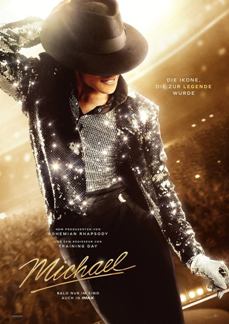 Michael is classified as a musical biopic drama, which was written by John Logan and directed by Antoine Fuqua (Training Day [2001]). The film takes a nostalgic journey through the formation of the 70s R&B sibling boy group, the Jackson 5 under the watchful, and rumor has it, overbearing gaze of the family patriarch, Joseph Jackson. However, more time is luckily spent focusing on the centerpiece of the story—the talent, humanity, and personal ambitions of young Michael Jackson.
The standout performance came from breakout artist Jaafar Jackson in the title role. He didn’t rely on imitation alone; he captured Michael’s softness, nervous energy, and quiet loneliness in a way that felt, and looked, believable instead of theatrical. There were moments where his expressions and body language were so close to Michael’s that it was chilling and sad. What made it even more powerful was knowing Jaafar Jackson is Jermain Jackson’s son and Michael’s nephew. That authenticity came through in every scene, every dance move, and even in the emotional moments behind closed doors. You could feel family history in it, and that elevated the film.
Nia Long delivered warmth and strength in her role as his loving mother, Katherine Jackson. She brought dignity to the Jackson family matriarch without overplaying it. Her scenes grounded the movie emotionally, especially during the family’s struggles with fame and pressure. Long’s portrayal called to mind countless Black women who held families together through sheer faith and determination in the past. Whereas, Coleman Domingo personified Joe Jackson in unnerving way.
The music sequences were electrifying (yes, I twisted in my seat and waved my hands, much to the embarrassment of my teen son), but the quieter family moments were what stayed with me afterward. The film didn’t shy away from showing the sacrifices, discipline, and emotional cost behind superstardom. At times it felt heavy, but that honesty gave the story weight. However, one loud omission was the controversy surrounding the pop star’s questionable interactions with young children and his well-known eccentricities. Legally, the related scenes ended up having to be removed after filming, but the omission left an undeniable and whopping hole, which is hard to ignore.
The film’s recreation of the early Jackson years especially touched me because I remember seeing the Jacksons perform back in 1973, not in Motown but another music capital, Nashville, Tennessee. Reliving those scenes recreated on screen brought back the excitement of that era—the music, the fashion, the pride Black communities felt seeing young Black talent break barriers worldwide. The movie captured that atmosphere beautifully. And it seems that the story will continue to be retold if the closing scene is any indication. (Ericka B.S.)